UK Tutoring Marketplace — Case Study
How Sage Grid Lab re-architected a legacy tutoring interface into a premium, scalable EdTech ecosystem — reducing booking drop-off by 32% and cutting frontend UI cycles by 40%.
01 — Context: The Challenge
The UK's fastest-growing tutoring network had successfully accumulated tens of thousands of verified, highly qualified tutors. However, its underlying platform had been built in mismatched layers over several years.
The result was an application ecosystem cluttered with conflicting navigation paradigms, fragmented UI components, and a booking funnel that was actively bleeding conversions at every critical intersection. With a hard, unyielding back-to-school deadline fast approaching and competitive forces closing in rapidly, simple visual optimizations were out of the question. The business required a fundamental architectural evolution: a unified, highly scalable platform foundation built to convert.
Mismatched layers built over years created a fragmented user experience.
The booking funnel actively lost users at critical intersections prior to the redesign.
Simple visual optimizations were impossible without structural evolution due to the deadline.
02 — Solution: What We Built
Before drawing a single wireframe, our integrated product team executed a structured UX audit against live session recordings, user click heatmaps, and checkout funnel drop-off analytics. The platform's strategic goals were designed around clear, unalterable criteria.
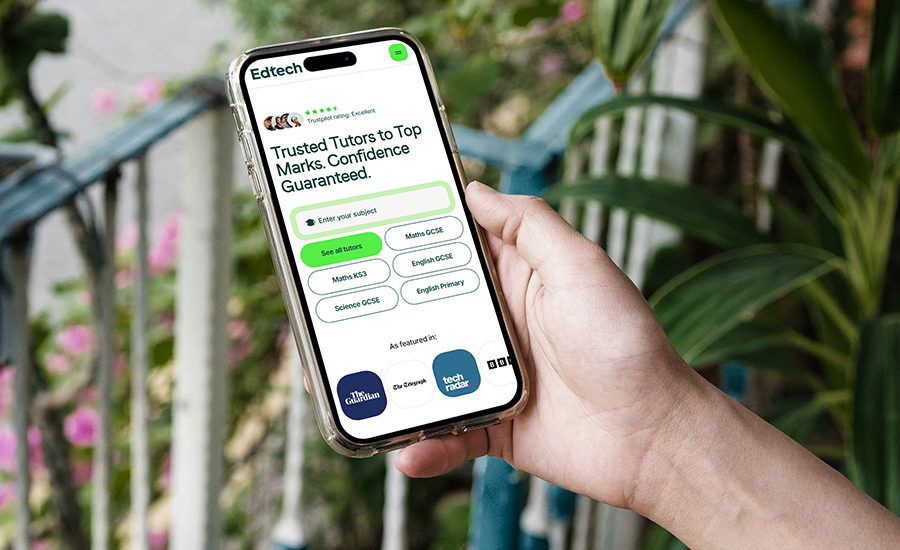
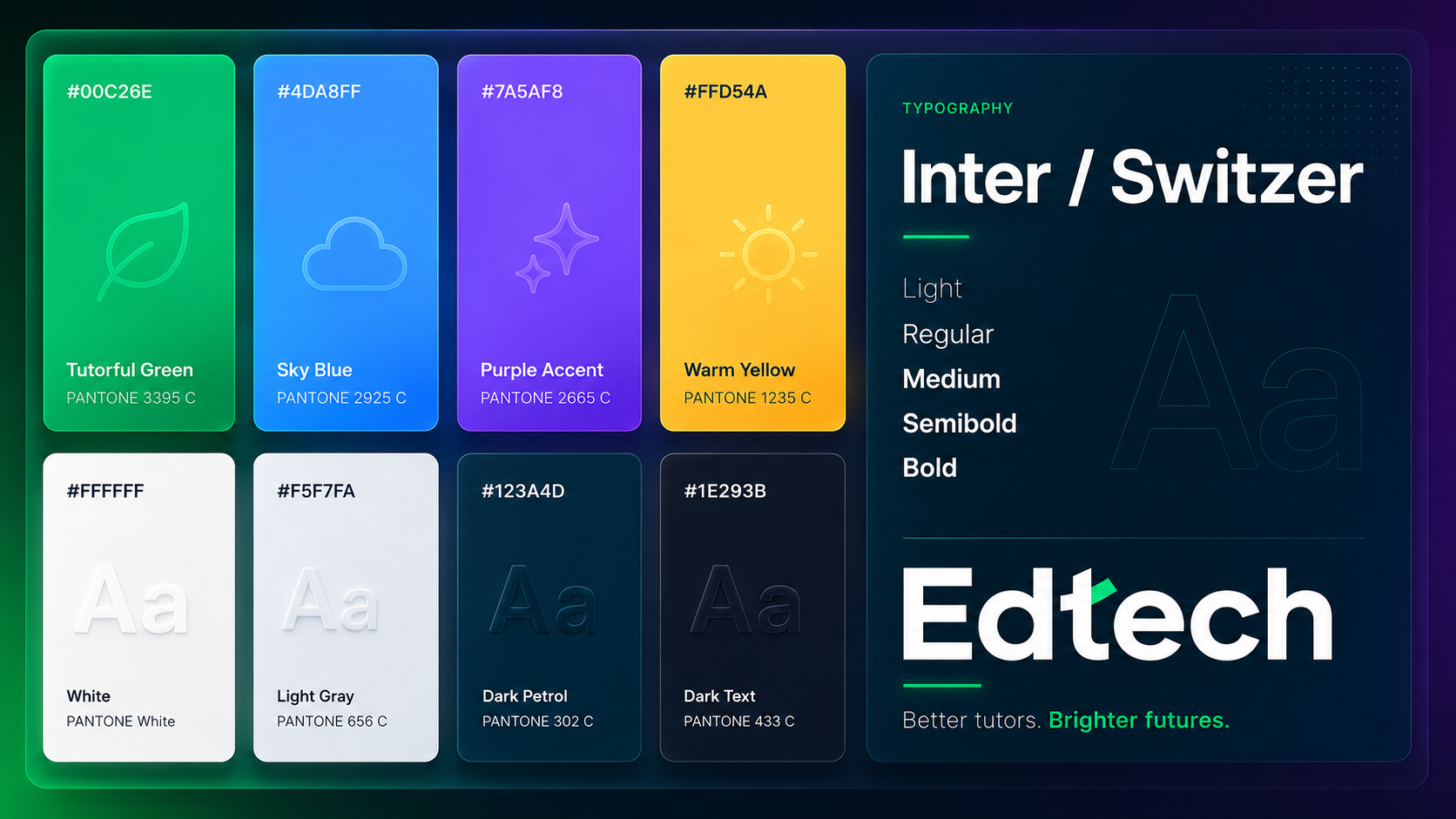
Elevated the visual identity from a basic legacy directory model into a high-credibility educational brand context.
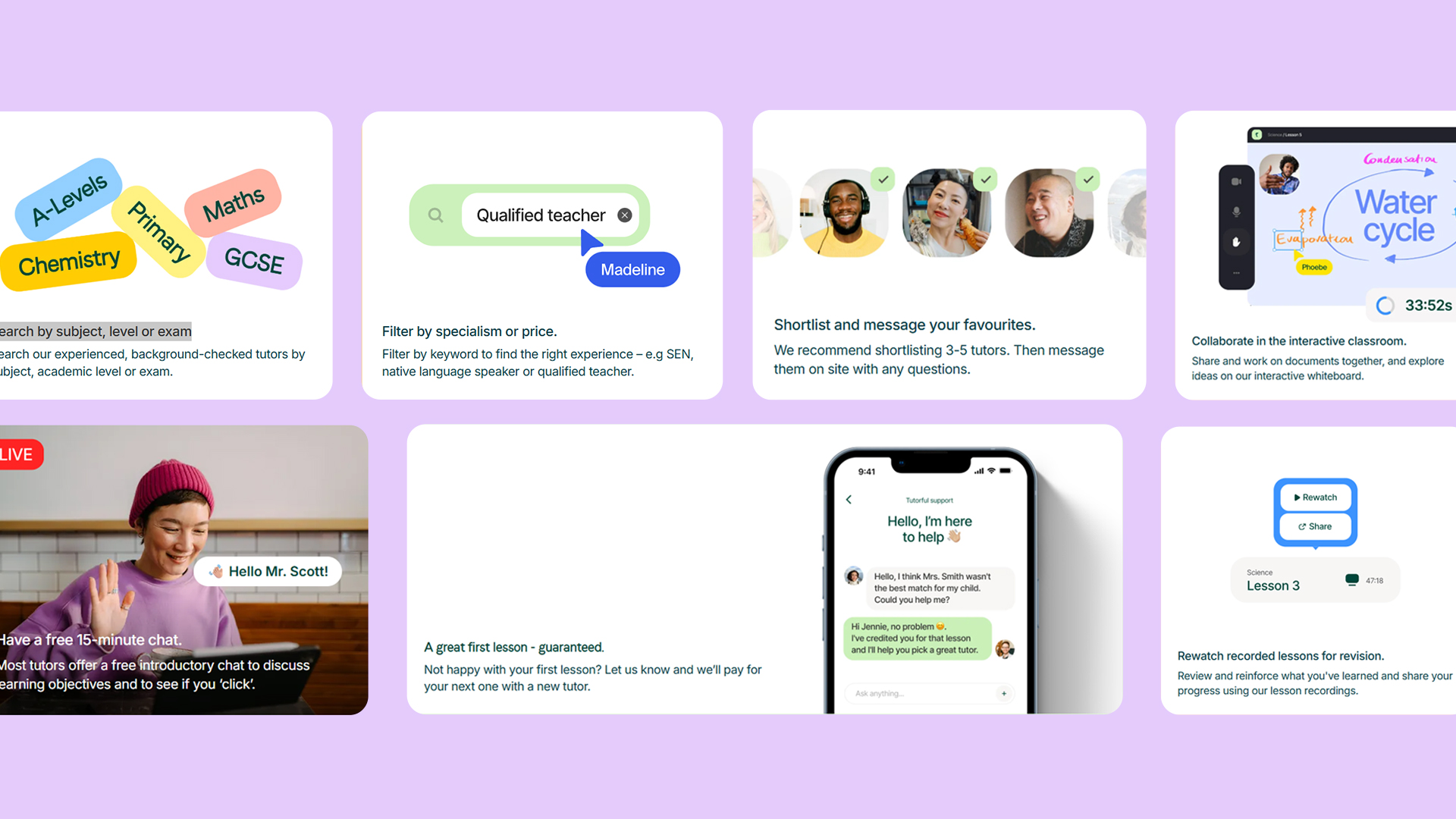
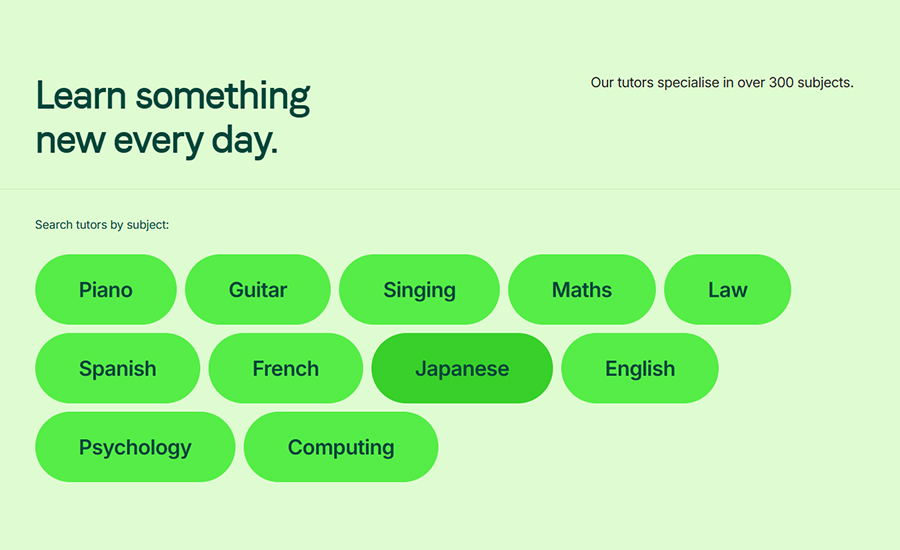
Rebuilt site navigation and tutor matching structures directly around student goals and real-world parent behaviors.
Established a comprehensive component architecture inside Figma and Storybook to eliminate engineering drift.
03 — Process & Methodology
Our execution over the 16-week timeline decoupled the platform's visual complexity, resolving identified backend query constraints while prioritizing mobile-first rendering speeds.
| Project Phase | Methodology | Technical Deliverable |
|---|---|---|
| Discovery & Strategy | UX Audit & Synthesis | Mapped 14 high-severity friction points using heatmaps and telemetry data inside FigJam and Jira. |
| Information Arch | Card Sorting | Rebuilt search taxonomy around queries, student age-brackets, and goals to match real decision-making. |
| UI Identity | Figma & Principle | Refined a trust-forward visual style with strict typography scales, color weight logic, and motion design profiles. |
| Atomic Design System | Storybook & Figma | Engineered 200+ documented UI components and variants to serve as a single, immutable source of truth. |
| Experience Shipping | Figma Prototypes | Shipped 80+ completely annotated specification layouts across desktop and mobile, securing rapid sign-off. |
04 — Outcomes: Measurable Impact
Upon public rollout, product telemetry revealed drastic improvements across frontend development workflows, board-level brand positioning, and active customer acquisition pipelines.
The streamlined, 5-step conversion checkout funnel eliminated user friction, leading to a permanent 32% improvement in successful tutor bookings.
By consuming pre-constructed Storybook design components, the internal engineering department completely eliminated visual duplication, cutting frontend cycles by 40%.
The platform's underlying design taxonomy was officially shortlisted for the prominent UX Design Awards (Digital Products category), serving as the board's new corporate benchmark.
The team didn't just redesign our interface they completely redefined how families interact with our platform. Their strategic approach to UX has given us the scalable foundation we need to dominate the EdTech market.
— Sarah Jenkins, Head of Product, Confidential UK Tutoring MarketplaceArchitect Your Scalable EdTech Future. We selectively partner with ambitious companies where product strategy, high-fidelity design, and technical execution must perform as a unified engine.
Book a Free Audit